PESTAWARE
Worker wasps are leaving their nests and feasting on fermented fruit that can cause them to cause them to become inebriated, more aggressive and more likely to sting, say experts at British Pest Control Association (BPCA).
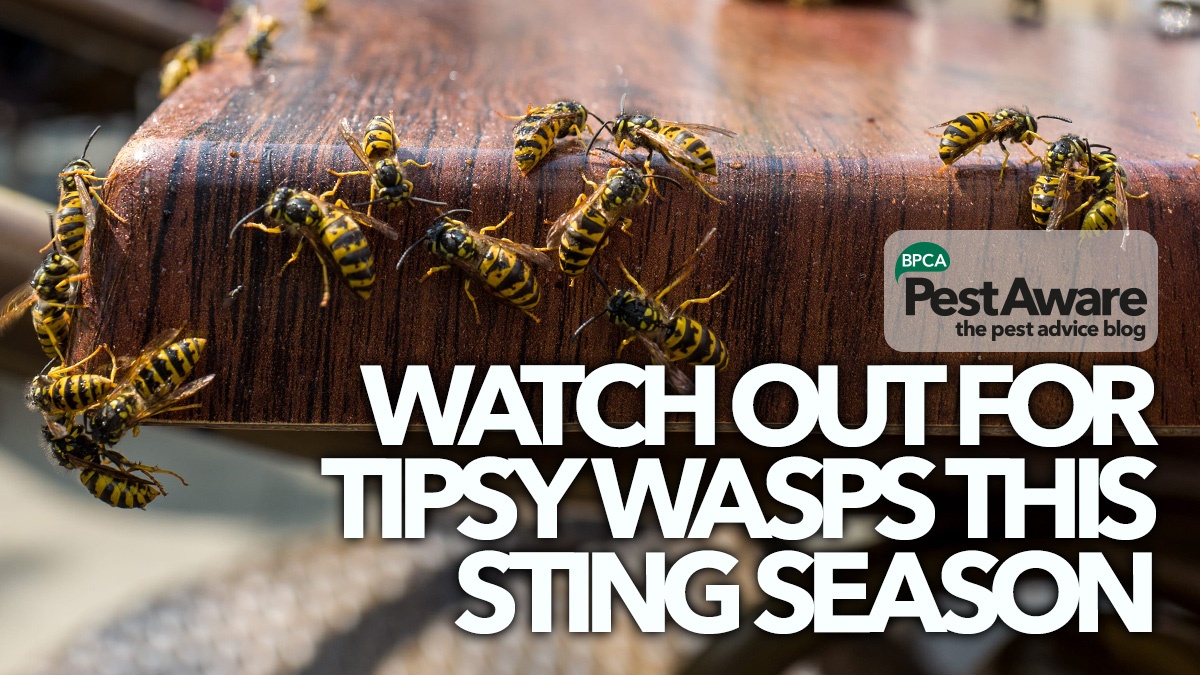
The national trade body for pest management professionals is urging families in Hull to avoid disturbing wasps and to call for help if a nest is in a high traffic area.
Wasps are accidental pollinators and nests in quiet areas can often be safely left alone.
However, being aware of the dangers of wasp stings is essential to ensure swift action is taken if needed.
Wasp stings can trigger anaphylaxis – an allergic reaction that can be fatal. If anaphylaxis is suspected, dial 999 immediately.
Natalie Bungay is Head of Membership and Technical at BPCA. She said: “Like bees and hornets, wasps are pollinators and, where possible, are best left alone.
“However, if the nest is in a high-use area, you may need to seek advice from a BPCA member.”
BPCA members are trained, experienced professionals with access to a range of specialist products not available to the public.
They are trained, qualified and regularly assessed to the British Standard in Pest Management BS EN 16636.
BPCA members are also endorsed by the Government via the TrustMark quality scheme.
Natalie added: “Wasps are nature’s pest controllers and can be useful in the garden, but they have been known to build their nests in all kinds of strange places from hollow trees and sheds to toilet cisterns and musical instruments.
“It’s really important that anyone who comes across a wasp nest weighs up whether the nest needs to be removed and, if it does, seeks help from a BPCA member who will have the appropriate expertise, products and equipment to remove it safely.”
It is not uncommon for householders to discover pests are present in their home.
To find a BPCA member, visit: bpca.org.uk/find.