-
29 November 2017
Pest advice for controlling Beetles
The main types of Beetle in the UK and we've got information on more of the types of Beetle you're likely to encounter.. More
-
29 November 2017
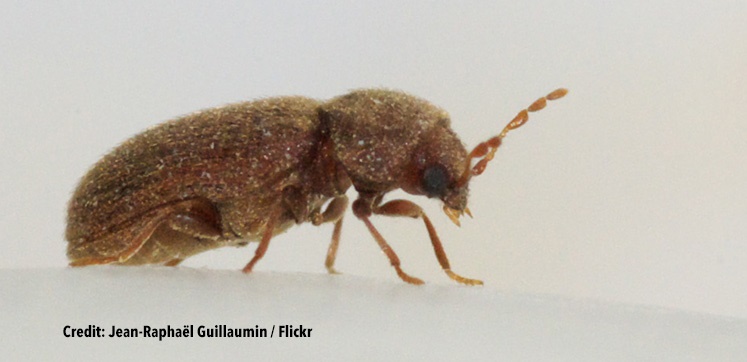
Pest advice for controlling Biscuit Beetle
The Biscuit Beetle is found worldwide but more commonly in temperate latitudes. It is common throughout the UK, especially in food storage and retailing premises, and are frequently encountered in a domestic property. They are small reddish-brown.... More
-
29 November 2017
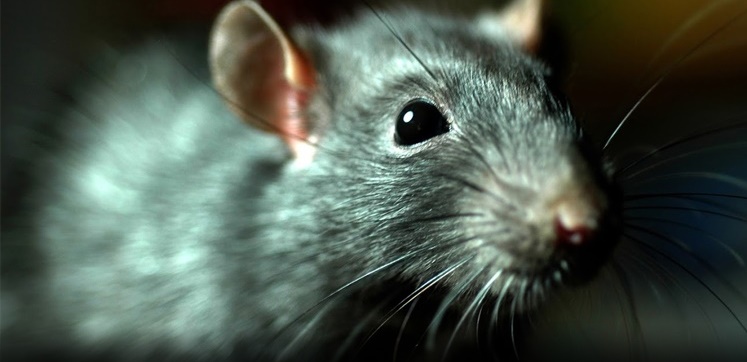
Pest advice for controlling Black Rats
The Black Rat or Ship Rat is now rarely found in the UK. This rat that brought the Black Death across Europe and the Great Plague of London in the 17th century.. More
-
29 November 2017
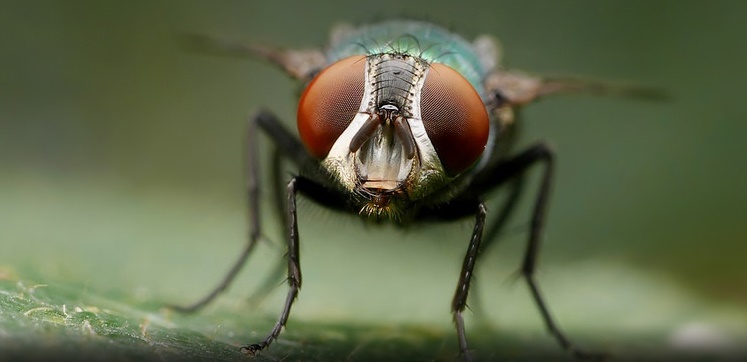
Pest advice for controlling Blow Flies
The term Blow Fly is a general description of a number of species of large buzzing flies, which include the Bluebottle, the Greenbottle and the Flesh Fly.. More
-
29 November 2017
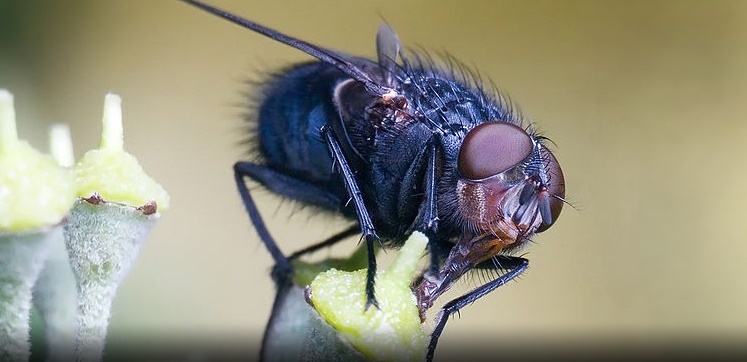
Pest advice for controlling Bluebottles
The Bluebottle is a large buzzing fly with shiny, metallic blue body, 6-12mm long. One Bluebottle can lay up to 600 eggs, which in warm weather will hatch in under 48 hours and produce maggots which can become fully developed in a week. These magg.... More
-
29 November 2017
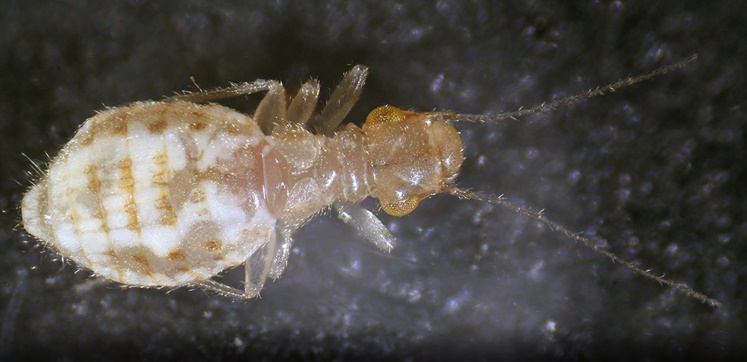
Pest advice for controlling Booklice (Psocids)
Booklice (Psocids) are very common but harmless household pests. They are not caused by poor hygiene as they are just as common in scrupulously clean homes.. More
-
29 November 2017
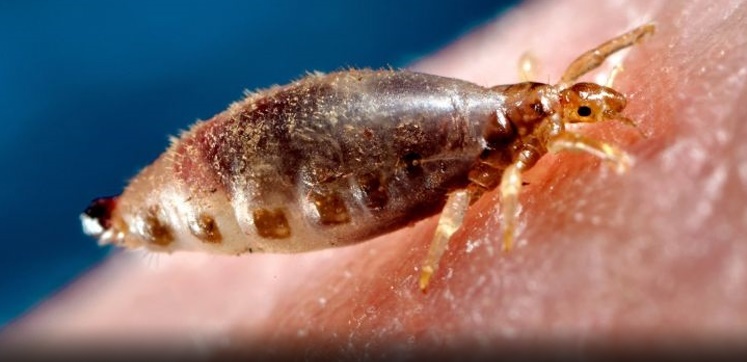
Pest advice for controlling Body Lice
Small, flat, wingless, grey parasites about 2mm long with strong claw legs and which feed on human blood. They are similar in appearance to head lice and can easily be confused.. More
-
29 November 2017
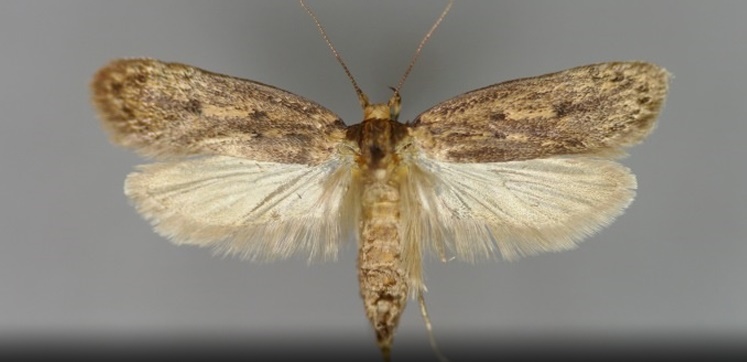
Pest advice for controlling Brown House Moth
The commonest of the so-called clothes moths, with characteristic golden-bronze wings, flecked with black, folded flat along its back. The adult is about 8mm long and prefers to run rather than fly.. More
-
29 November 2017
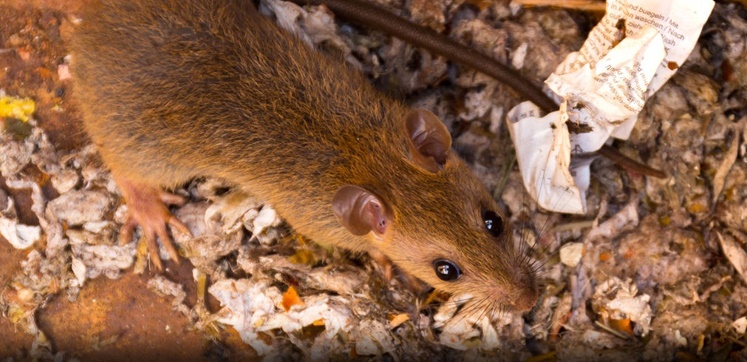
Pest advice for controlling Brown Rats
The Common, Brown or Norway Rat, also known as the sewer rat, and are prevalent across the whole of the UK.. More
-
29 November 2017
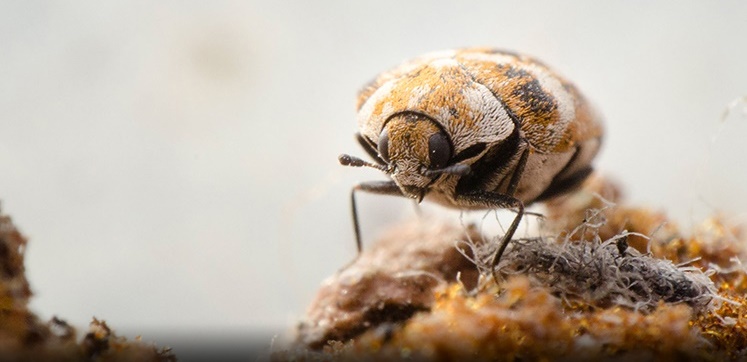
Pest advice for controlling Carpet Beetle
The larvae (known as “woolly bears”) of these small, oval beetles have outstripped the clothes moths as the major British textile pest. The Variegated Carpet Beetle is 2 to 4mm long, like a small, mottled brown, grey and cream ladybird. The relate.... More
-
29 November 2017
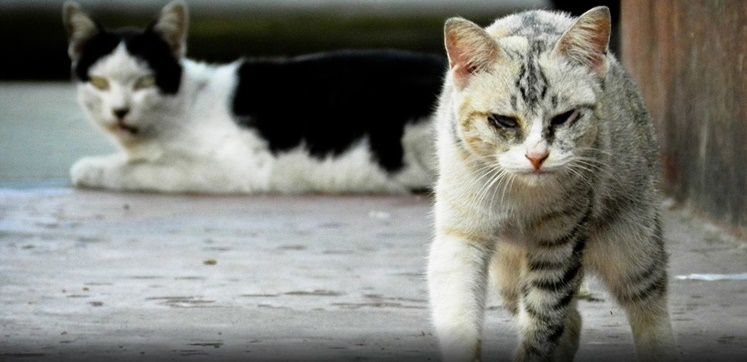
Pest advice for controlling Cats
As mouse-killers their efficiency varies enormously. Few of them really come up to scratch as they cannot often get into areas where mice can live in a building.. More
-
29 November 2017
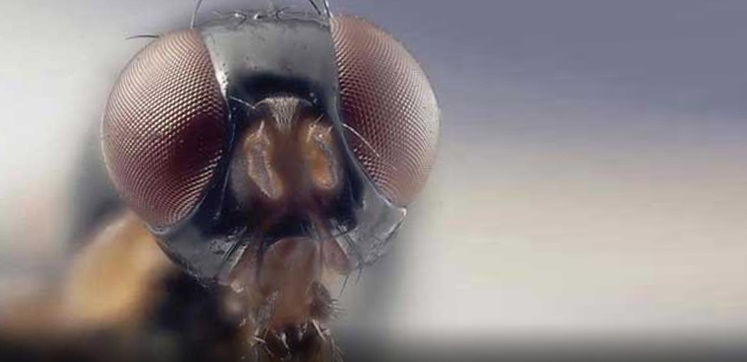
Pest advice for controlling Cheese Skipper
A small shiny black fly with reddish eyes whose slender grubs “skip” by curving their body into a ring and releasing themselves. The larvae burrow into cheese or ham and can cause internal irritation if eaten.
. More
-
29 November 2017
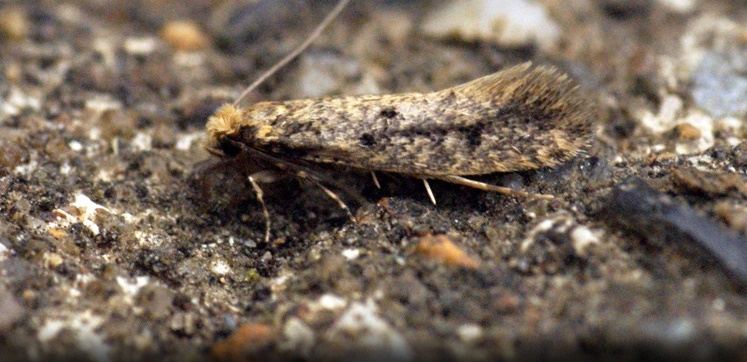
Pest advice for controlling Clothes Moths
There are several species of clothes moths, all of them characterised by folding their wings tent-wise along their backs. The adult Common Clothes Moth is 6 to 7mm long with pale, plain golden-buff wings fringed with hair. The rarer Case-Bearing C.... More
-
29 November 2017
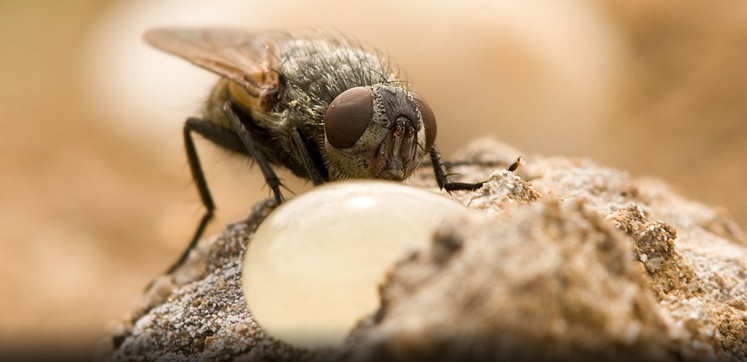
Pest advice for controlling Cluster Flies
These are dark greyish flies about 8mm long with yellowish hairs on the back and with overlapping wings. In autumn they congregate in large numbers in upper rooms or roof spaces of houses to hibernate. They will then reemerge in Spring to seek out.... More
-
29 November 2017
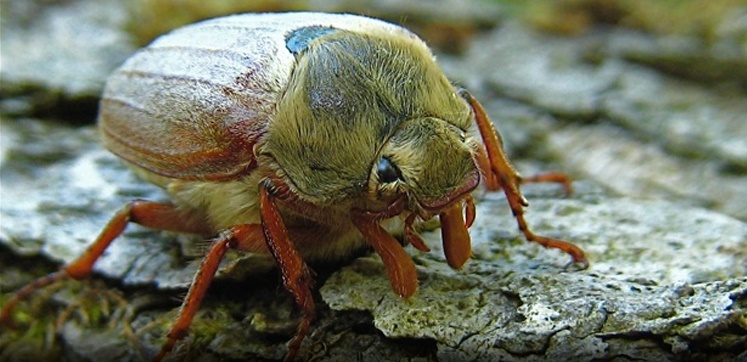
Pest advice for controlling Cockchafers
Large blundering insects are also known as May-bugs which are attracted to artificial light and fly into houses or collide with windows on warm evenings in May and June.. More
-
29 November 2017
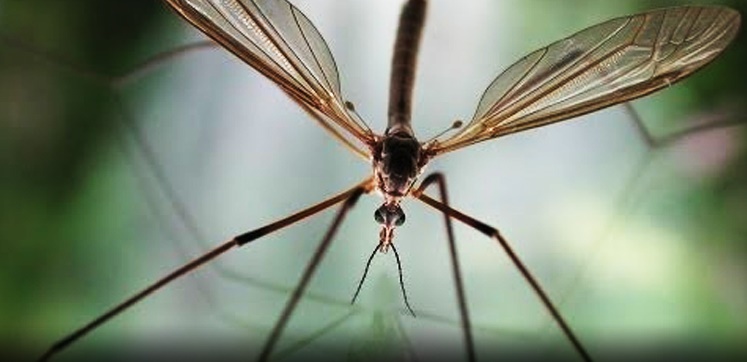
Pest advice for controlling Crane Fly (Daddy-Longlegs)
The familiar Daddy-Longlegs. A large mosquito-like fly with a long narrow body, which enters buildings in late summer. Harmless, although unpleasant in appearance. Its larva is the “leather- jacket” which damages grass roots.
. More
-
29 November 2017
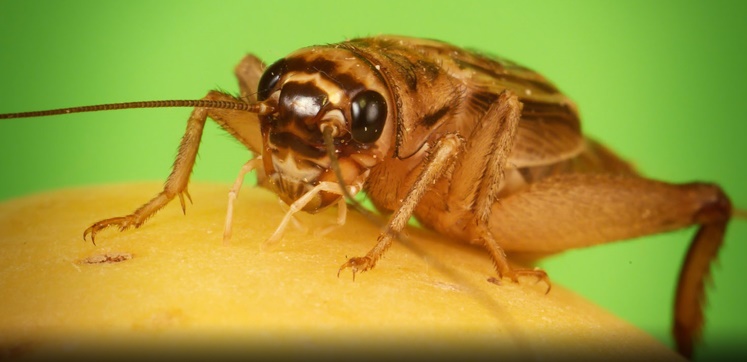
Pest advice for controlling Crickets
Closely related to the Cockroaches, most species of cricket live outdoors, only rarely entering premises. One species, however; the House Cricket, may live within buildings throughout the year. 16mm long and yellow-brown with darker markings on he.... More
-
29 November 2017
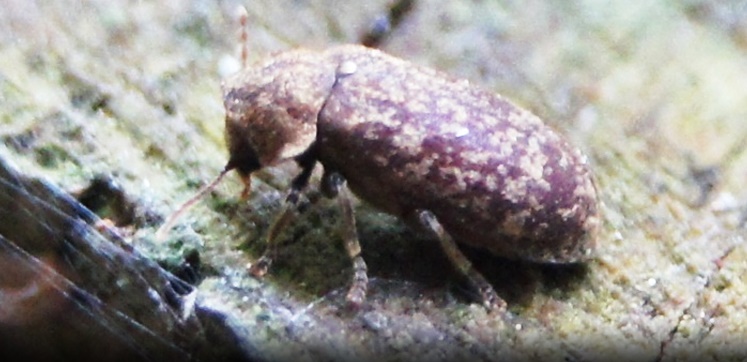
Pest advice for controlling Death Watch Beetle
A wood-boring beetle whose grubs eat old hardwood structural timbers. Practically common in stately homes in which the beetle family has probably lived since they were built.. More
-
29 November 2017
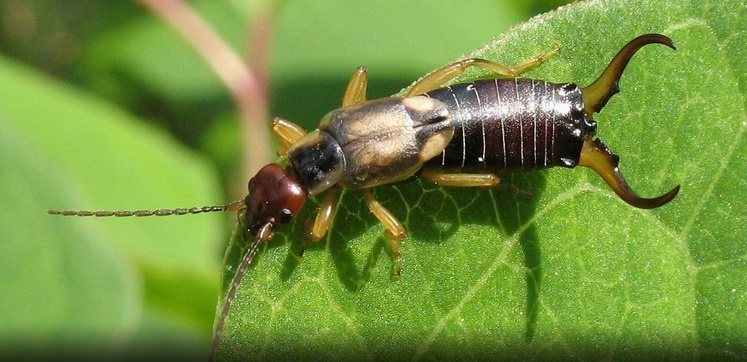
Pest advice for controlling Earwigs
A long, narrow, brown insect 10 to 14mm long with characteristic “pincers” at one end, the earwig is often carried indoors in cut flowers or house plants.. More
-
29 November 2017
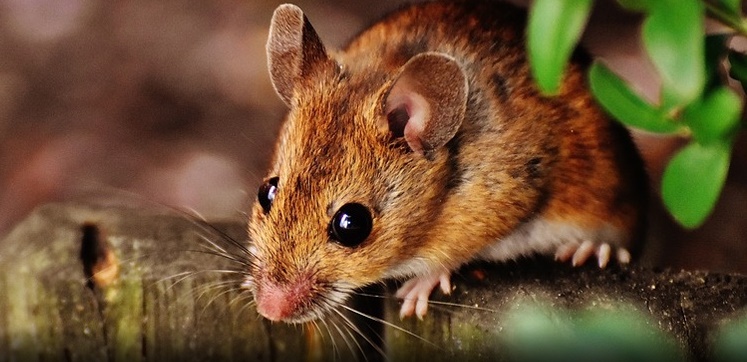
Pest advice for controlling Field Mice
Outdoor cousins of the House Mouse, which tend to move indoors in the winter seeking their creature comforts. . More
-
29 November 2017
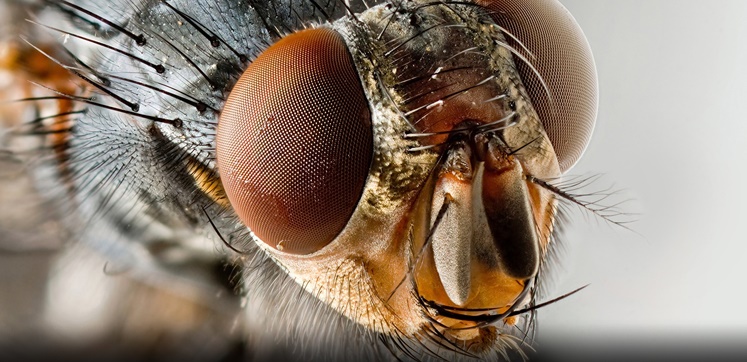
Pest advice for controlling Flies
A family of two-winged polluters that is, too often, tolerated within our homes. Apart from the biting flies, all species feed by vomiting saliva onto the food surface and sucking up the resulting liquid. In the course of doing so, the fly contami.... More
-
29 November 2017
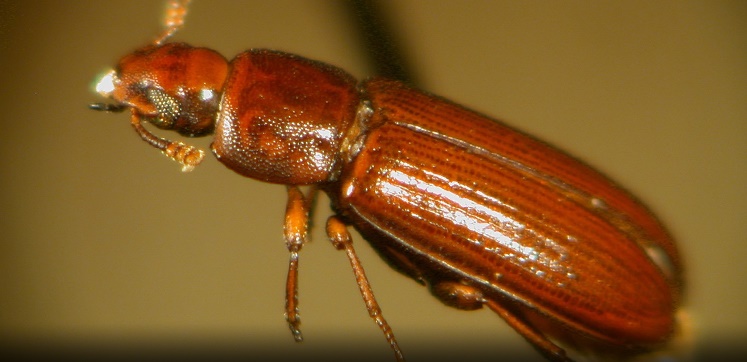
Pest advice for controlling Flour Beetles
Small reddish-brown beetles about 3-4mm long that feed on flour and cereal debris in warm buildings. These beetles are often accidentally introduced into the larder in packaging or the ingredients themselves. The commonest species are the Rust Red.... More
-
28 November 2017
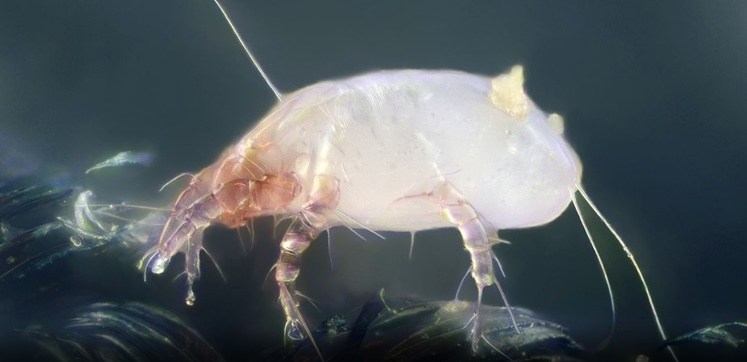
Pest advice for controlling Flour Mites
A tiny, slow-moving, white or pale-brown creature measuring a barely visible 0.5mm long, with eight legs. A pest of cereals and cereal products especially if they are damp.
. More
-
28 November 2017
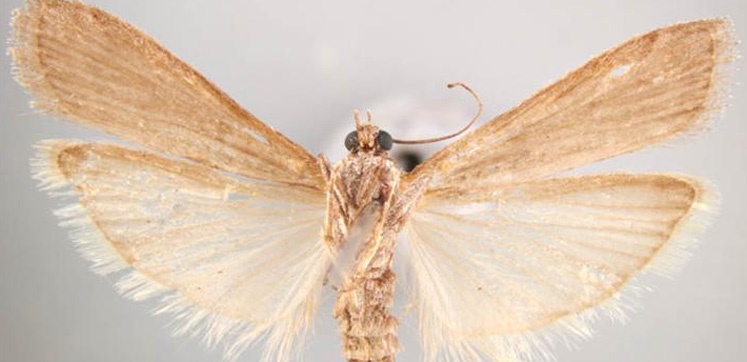
Pest advice for controlling Flour Moths
Moths whose grubs feed on stored food - especially cereals, chocolate, cocoa, dried fruit, nuts and any flour product. Adults are mottled grey and brown and measure 10-15mm long. Larvae are a dirty white colour with brown heads and grow up to 12-1.... More
-
28 November 2017
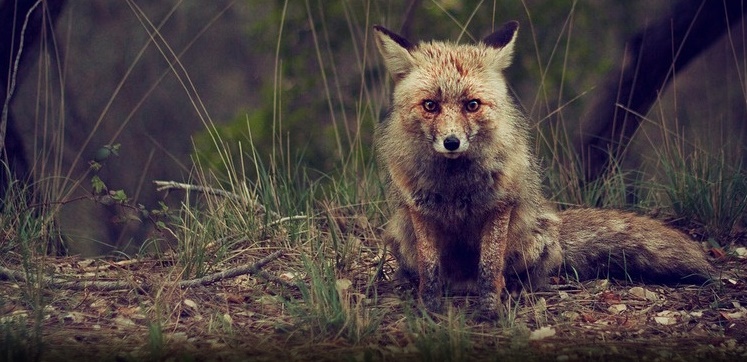
Pest advice for controlling Foxes
Many people are concerned about foxes affected by mange. A scruffy looking fox is not necessarily an ill fox. When moulting in spring, foxes look quite rough, but this does not mean they are mangy. They are typically found in woodland and open cou.... More
-
28 November 2017
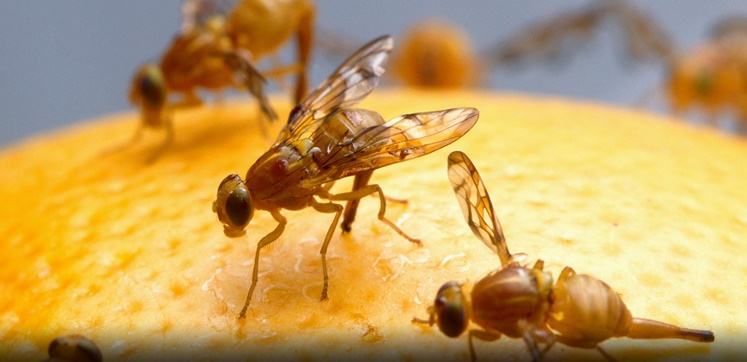
Pest advice for controlling Fruit Flies
A family of very small (about 3mm) flies, some with prominent red eyes, characterised by a slow hovering flight in which the abdomen hangs down. All are associated with rotting fruit and vegetables or fermenting liquids. One species breeds in sour.... More
-
28 November 2017
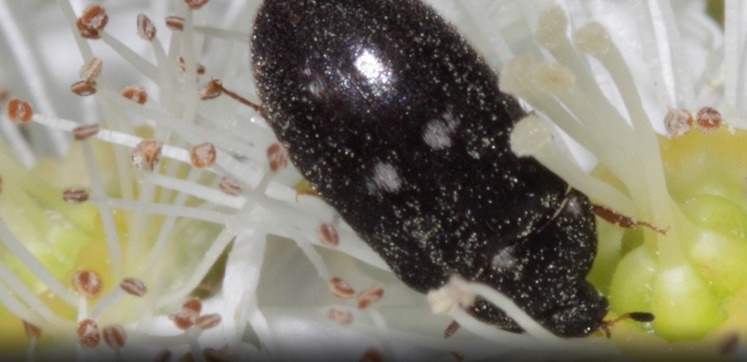
Pest advice for controlling Fur Beetle
An oval black beetle 4-6mm long with a white spot on each wing case. Grubs are about 6mm long, with a tuft of golden hairs on the end of their bodies. They can often be detected by their cast-off skins as they moult. Grubs feed on fur, hair, skins.... More
-
28 November 2017
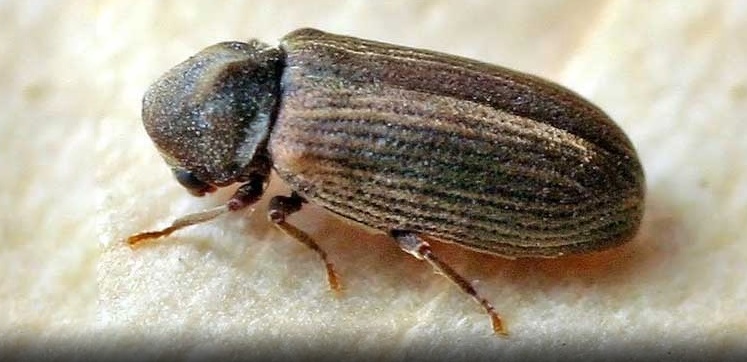
Pest advice for controlling Furniture Beetles
A small brown beetle, 2.5-5mm long, that is the adult form of woodworm. Emerges from infested wood between May and September, especially in June and July, leaving round exit holes 1-2mm in diameter.. More
-
28 November 2017
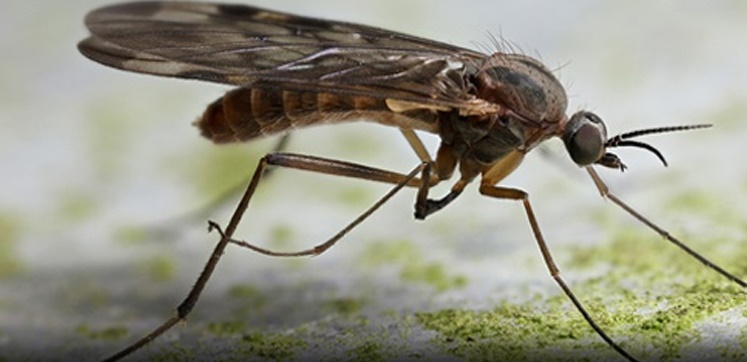
Pest advice for controlling Gnats
The insect normally referred to as a gnat is actually a small mosquito - correct name: Culex pipiens. It is common in gardens on warm evenings. Another species, the true Window Gnat, is a slow-flying insect about 8mm long with wings more rounded t.... More
-
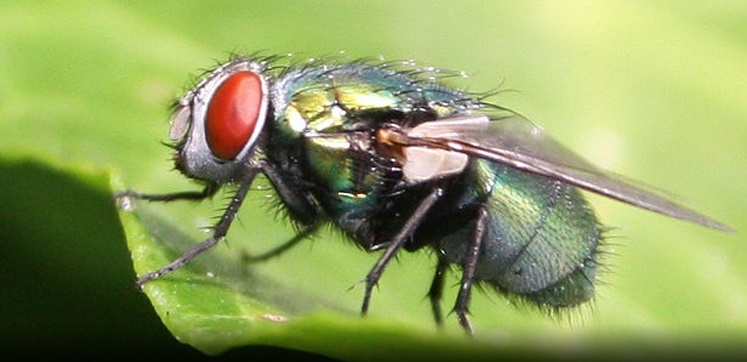
28 November 2017
Pest advice for controlling Green Bottles
Large buzzing flies about 9mm long with a characteristic bottle-green sheen on the back. Mostly carrion feeders that enter houses to seek places to hibernate and, in passing, may well alight on exposed foodstuffs.. More
-
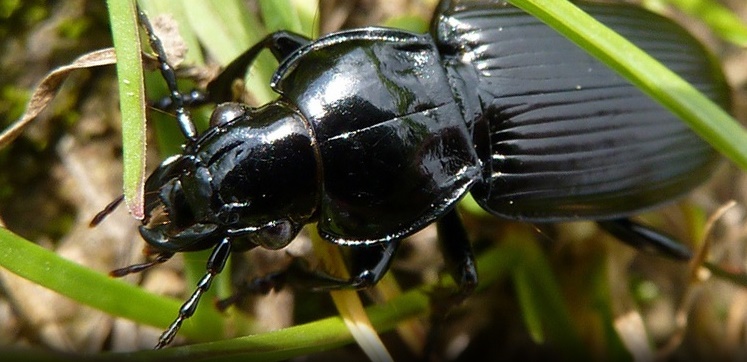
28 November 2017
Pest advice for controlling Ground Beetles
These various large black or violet beetles that occasionally wander in from the garden or emerge from under doormats or not a pest and control is rarely necessary.
. More
-
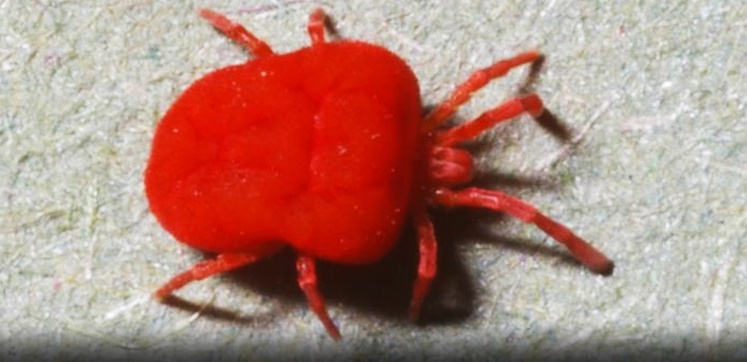
28 November 2017
Pest advice for controlling Harvest Mites
A very tiny creature living in long grass but which can be carried into homes on clothing or the coats of dogs. Can give a very irritating bite.. More
-
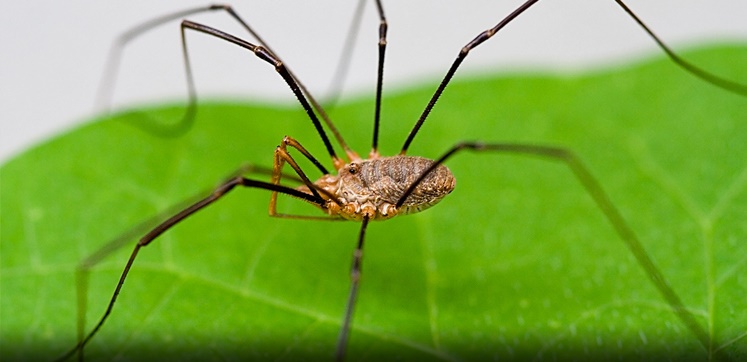
28 November 2017
Pest advice for controlling Harvestmen Spiders
Harmless spider-like creatures with eight exceptionally long, thin legs. They do not spin webs but occasionally wander into homes.. More
-
28 November 2017
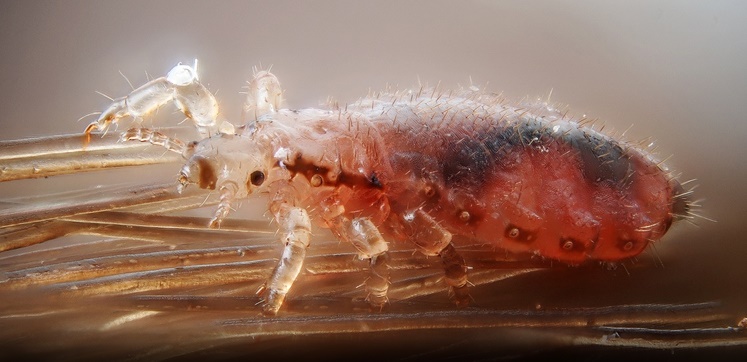
Pest advice for controlling Head Lice
These aren't a pest problem, but a medical problem. The head louse is a blood-sucking parasite about 3mm long that adapts to the hair colour of its host. The tiny, pearly eggs or “nits” are cemented to the hair close to the scalp, and there are th.... More
-
28 November 2017
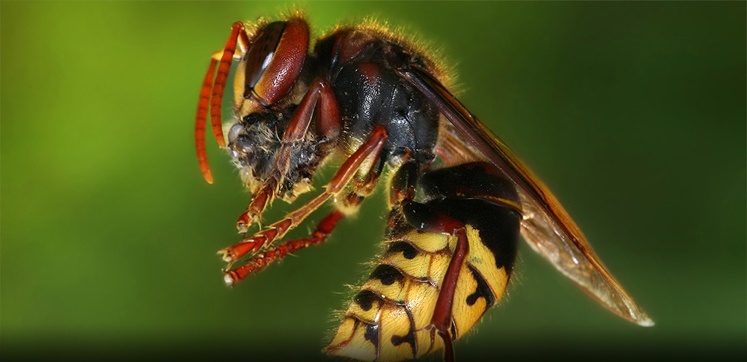
Pest advice for controlling Hornets
Twice the size of the common wasp and brown and yellow instead of black and yellow. It builds nests in hollow trees and similar sites. They only occasionally enter houses.. More
-
28 November 2017
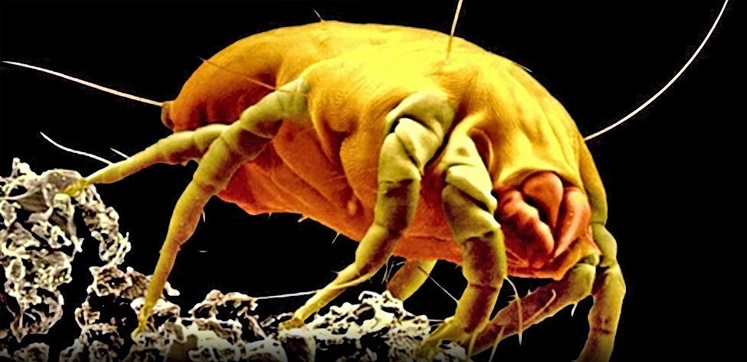
Pest advice for controlling House Dust Mites
Exceedingly common, these tiny creatures are of the genus Dermatophagoides. They are the primary source of the house dust allergens implicated in allergic, respiratory reactions such as asthma. Dust Mites feed on human skin scales and require both.... More
-
28 November 2017
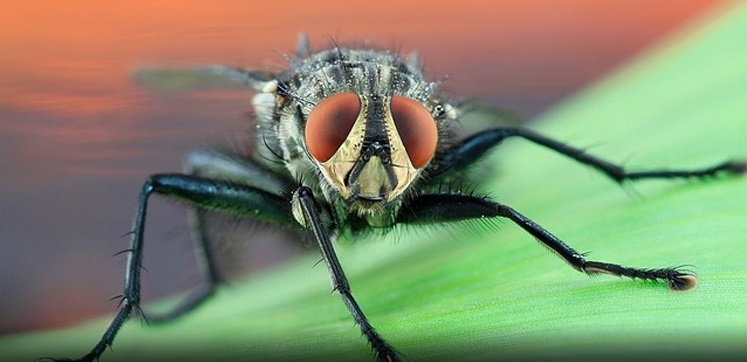
Pest advice for controlling House Flies
The Common Housefly and the Lesser Housefly are the most widespread household flies. The adult is 7-8mm long, grey in colour with black stripes on the back, with a single pair of veined membraneous wings. The large compound eyes take up most of th.... More
-
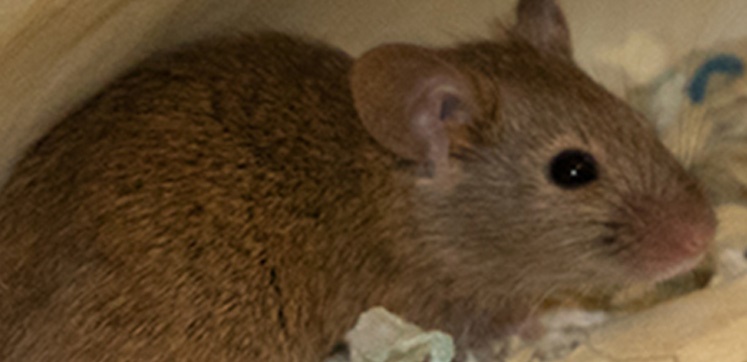
28 November 2017
Pest advice for controlling House Mice
House mice are a part of British wildlife - but when they take up residence with you, they can be a cause for concern.. More
-
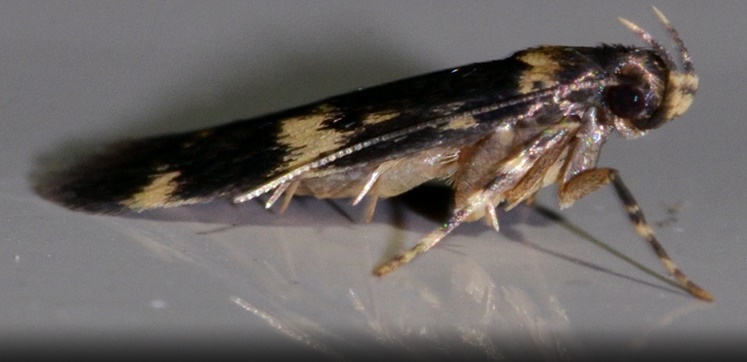
28 November 2017
Pest advice for controlling House Moths
Textile pests and scavengers whose grubs eat natural fabrics. Similar to Clothes Moths.. More
-
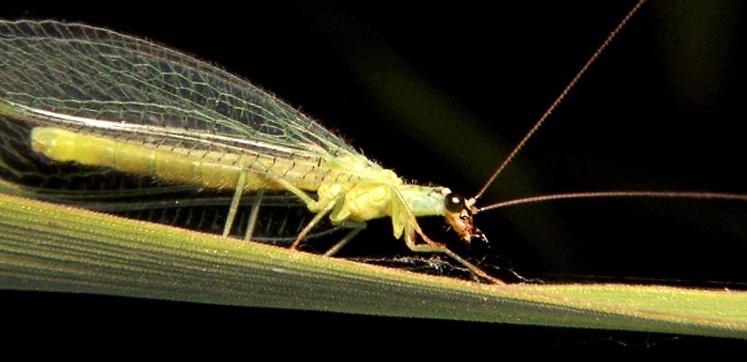
28 November 2017
Pest advice for controlling Lacewing
The pale green Lacewing is a harmless wanderer from the garden or woods where its larvae prey upon other insects. It has a pale green, soft body, about 15mm long, with richly veined transparent wings folded over it when at rest. The eyes are an ir.... More
-
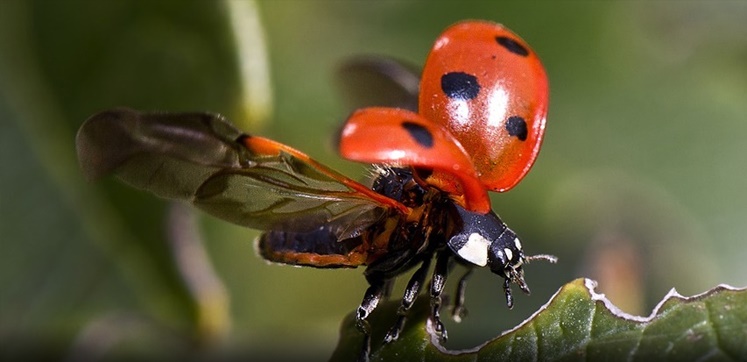
28 November 2017
Pest advice for controlling Ladybirds
There are many types of ladybird in the UK, but quite recently, a new variety was introduced that has the potential to jeopardise the others. The Harlequin ladybird is found naturally in the Far East, including Japan and Korea. It was introduced i.... More
-
28 November 2017
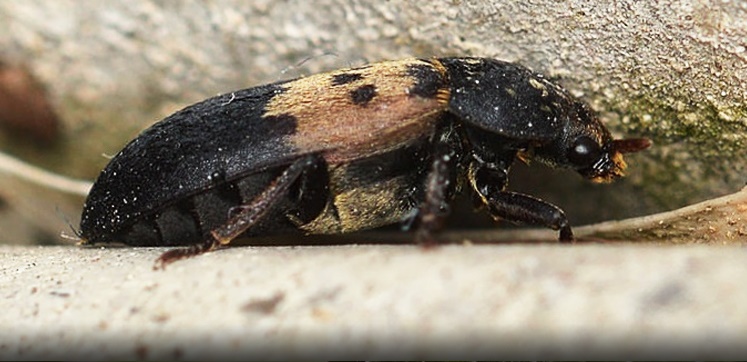
Pest advice for controlling Larder Beetle
A relatively large (7-10mm) oval beetle, almost black but with a distinct pale band across the front of the wing-cases. The larvae are white after first hatching, but turn brown and are covered with tufts of bristly hair. They grow to 10-12mm long.... More
-
28 November 2017
Pest advice for controlling Lice
Small, flat, wingless, grey parasites about 2mm long with strong claw legs and which feed on human blood. There are two distinct forms of this sort of louse - the head louse and the body louse, but they are similar in appearance.. More
-
28 November 2017
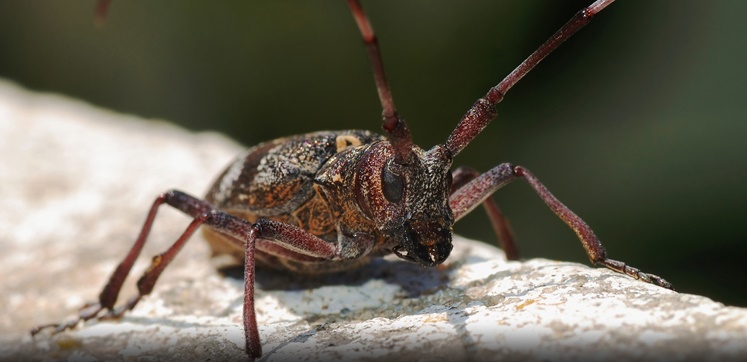
Pest advice for controlling Longhorn Beetle
The longhorn beetles are a cosmopolitan family of beetles, typically characterised by extremely long antennae, which are often as long as or longer than the beetle's body.. More
-
28 November 2017
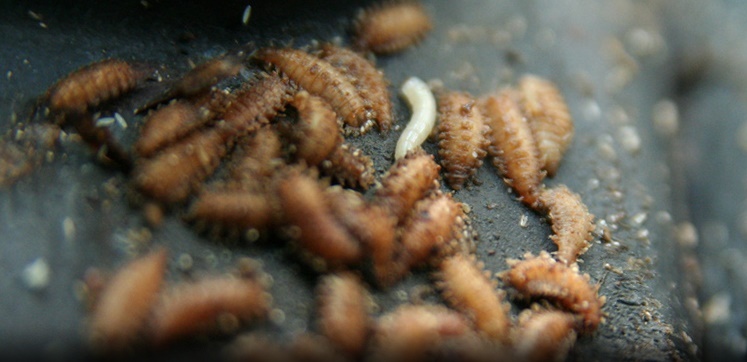
Pest advice for controlling Maggots
The layman’s term for the legless, wriggling larval (first) stage of certain insects, usually the larvae of Flies. However, you can find larvae for all sorts of species of insects including Beetles, Moths and Fleas.. More
-
28 November 2017
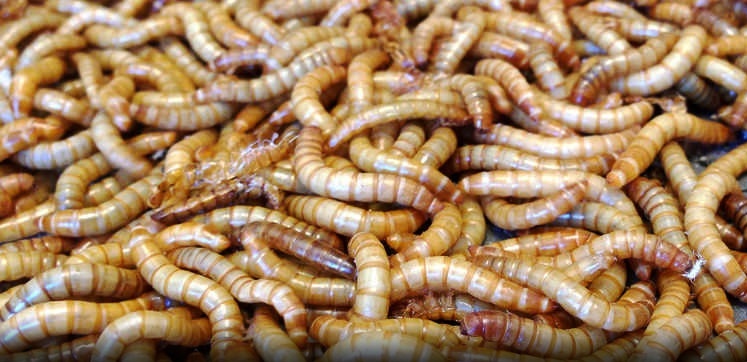
Pest advice for controlling Mealworm
A term applied to the larvae of the three species of Mealworm Beetle. Adult beetles are about 15mm long, dark brown and scavenge in damp larders or down in basement food stores. They frequently breed in old birds’ nests. The larvae are large (up t.... More
-
28 November 2017
Pest advice for controlling Midges
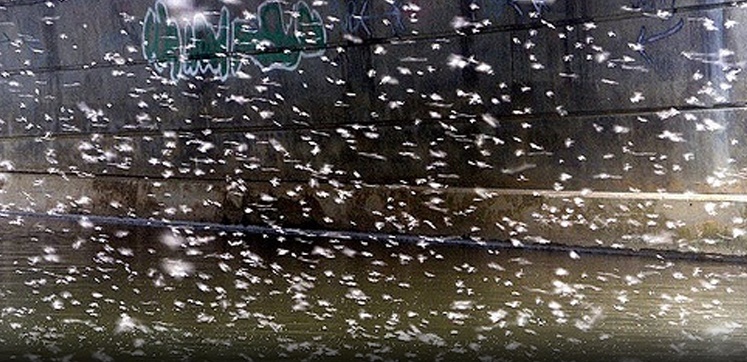
Tiny dark grey flies, only about 2mm long with hair-fringed wings, most prevalent in spring and summer near sewage works. Also known as Filter Flies or Owl Midges, their grubs perform a useful purpose because they break down organic material at se.... More
-
28 November 2017
Pest advice for controlling Mites
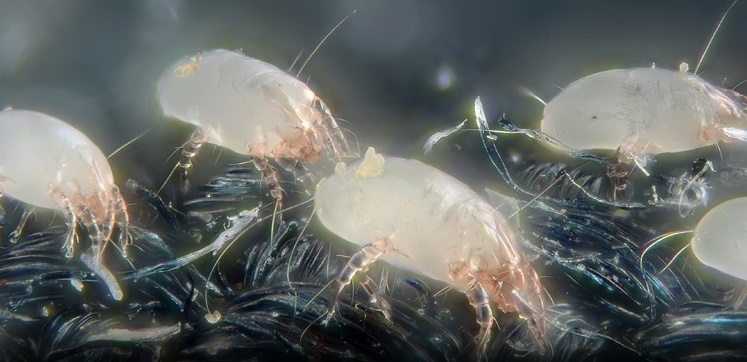
Barely visible to the naked eye, mites have eight legs and a round body and are seldom noticed until they have built up sufficient numbers to be a major infestation. They are not insects but are arachnids, related to spiders.. More
-
28 November 2017
Pest advice for controlling Moles
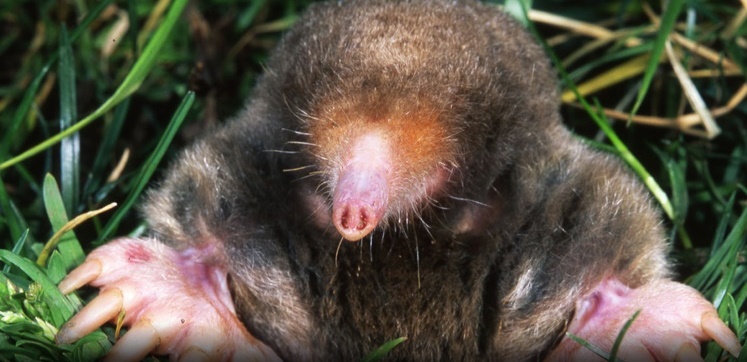
Moles tunnel using their large two front paws to scrape away the earth and feel along tunnels with their snouts and whiskers. Because of the absence of light within their living conditions, moles have very poor eyesight so very rarely will you see.... More
-
28 November 2017
Pest advice for controlling Mosquitoes
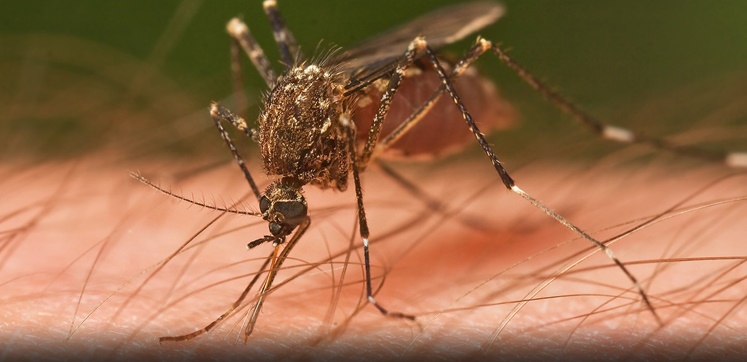
Most “mosquitoes” seen in houses are in fact the harmless and unrelated Crane Fly. True mosquitoes are very much smaller but have a similar long thin abdomen, long thin legs and strongly veined wings. The head has large eyes and a prominent probos.... More